
Mastering the Art of Sports Broadcasting: Techniques and Innovations
Understanding Sports Broadcasting
What is Sports Broadcasting?
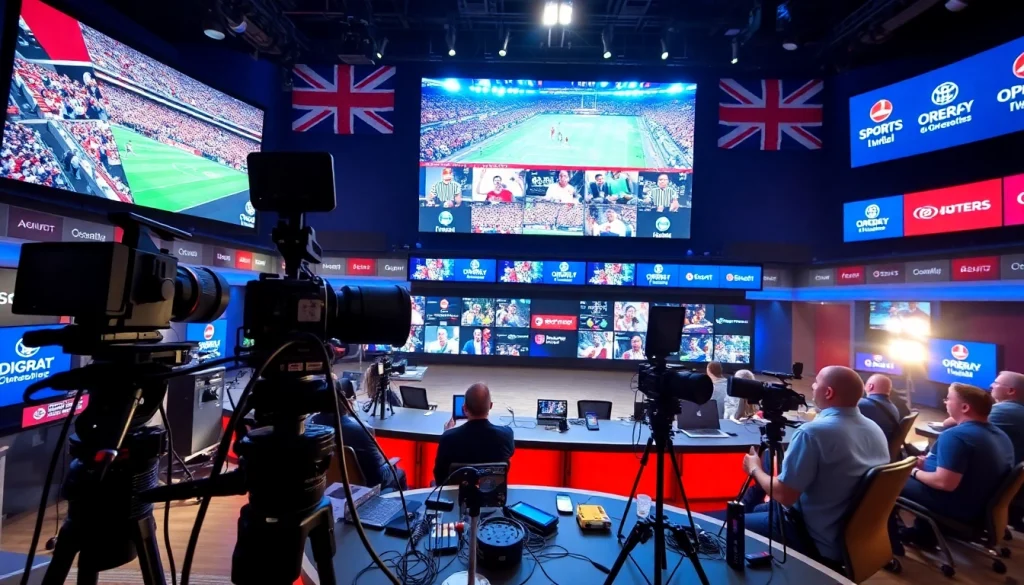
Sports Broadcasting refers to the dissemination of sporting events and related content through audio or visual media. This form of media includes television networks, radio stations, and online platforms, providing coverage of live sports, highlights, and analysis. The essence of Sports Broadcasting lies in its ability to connect fans with their favorite teams and athletes, bringing the excitement of live events to viewers regardless of their physical location. The evolution of this field has been significant, especially with the advent of digital streaming, which has reshaped how audiences consume sports content. For more insights into Sports Broadcasting, visit Sports Broadcasting.
History of Sports Broadcasting
The journey of Sports Broadcasting began in the early 20th century when radio became popular. The first play-by-play commentary of a sports event was aired in 1921, marking the inception of live sports coverage. With the invention of television in the mid-20th century, a new era began, revolutionizing how fans experienced sports. Major milestones include the first televised baseball game in 1939 and the broadcast of the Super Bowl, which has since evolved into one of the most-watched events globally. The digital revolution further transformed Sports Broadcasting, making content more accessible through streaming platforms and social media, enabling fans to watch events live or on-demand.
The Role of Technology in Sports Broadcasting
Technology has played a crucial role in the evolution of Sports Broadcasting. The introduction of high-definition television revolutionized how visual content was delivered, enhancing the viewer’s experience. Further advancements, such as 4K and 8K resolutions, provide stunning visual clarity, making the event more immersive. The integration of graphics and virtual reality has enriched broadcasts with real-time statistics and engaging visuals. Innovations like drone cameras and 360-degree views offer unique perspectives of live events, whereas data analytics tools help in analyzing performances, enhancing commentary, and improving audience engagement.
Key Components of Sports Broadcasting
Types of Sports Broadcasting
Sports Broadcasting can be categorized into various types based on the medium and format used. Live Telecasts provide real-time coverage of events, while delayed broadcasts allow viewers to watch events at their convenience. Additionally, highlights shows and sports news programs offer summaries and analyses after events have concluded. Digital streaming services have emerged as significant players, offering exclusive live coverage and original content, allowing fans greater flexibility in how and when they consume sports. Furthermore, radio broadcasts continue to serve a dedicated audience, particularly where audio commentary provides a unique insight into the game.
Media Rights and Licensing in Sports Broadcasting
The landscape of sports media rights and licensing is complex and varies greatly across regions and events. Rights holders, including leagues and teams, negotiate deals with broadcasters to secure coverage for their events. The value of these deals can be substantial, with top sports leagues generating billions of dollars in licensing fees. Broadcasters typically acquire these rights to attract viewership, advertising revenue, and sponsorships. The negotiation process is often competitive, with multiple networks vying for exclusive rights, leading to significant investments that reflect the commercial value of sports content.
Production and Post-Production Processes
The production of sports broadcasts consists of meticulous planning and execution. Pre-production involves scripting, creating rundowns, and organizing the technical crew. Live production requires coordination among camera operators, audio technicians, and directors to ensure seamless coverage of the event. Post-production includes editing highlights, adding commentary, and packaging the content for various platforms. The entire process aims to enhance the viewer’s experience by providing engaging narratives, compelling visuals, and comprehensive analyses of the sporting action.
Best Practices in Sports Broadcasting
Effective Communication in Sports Broadcasting
Clear and effective communication is critical in Sports Broadcasting. Commentators and analysts must convey information accurately while keeping the audience engaged. Utilizing storytelling techniques helps frame narratives around the events, making the experience relatable and entertaining. Broadcasters should also be mindful of their tone and delivery, adjusting based on the energy of the event to match the viewers’ excitement. Engaging with the audience through listener questions and social media interactions can also enhance communication and build a community around the content.
Engaging Audience Through Live Coverage
Engagement is the cornerstone of a successful broadcast. Leveraging interactive features such as live polls, chat functions, or Q&As can significantly enhance viewer involvement. Broadcasters should also aim to create an exciting atmosphere through commentary and graphics that reflect the event’s intensity. Utilizing compelling visuals such as instant replays and highlights also keeps viewers captivated. Moreover, ensuring familiarity with the audience’s preferences allows broadcasters to tailor content that resonates, increasing overall engagement and loyalty.
Utilizing Social Media for Sports Broadcasting
Social media platforms have transformed how sports content is shared and consumed. Broadcasters can use platforms like Twitter, Facebook, and Instagram to provide updates, engage in conversations, and promote live broadcasts. Sharing behind-the-scenes content, interviews, and fan experiences fosters a connection with the audience, enhancing their overall experience. Moreover, the younger generation often consumes sports through social media, making it essential for broadcasters to adapt to these platforms to reach a broader audience and stay relevant.
Challenges in Sports Broadcasting
Overcoming Broadcast Timing and Deadlines
Broadcast timing is critical in sports, often leading to challenges regarding scheduling and deadlines. Live events can experience delays due to weather, technical issues, or unforeseen incidents. Broadcasters must develop contingency plans to address these delays while keeping viewers informed and engaged. Adapting schedules quickly and managing expectations is vital, ensuring that programming remains consistent and appealing to viewers throughout the event.
Adapting to Changing Audience Preferences
The shift in audience preferences poses a challenge for Sports Broadcasting. Viewers increasingly favor on-demand content over traditional live broadcasts, necessitating a paradigm shift in how sports content is produced and delivered. Broadcasters must analyze viewer behavior and trends to adapt their offerings, including creating original content that caters to diverse interests. Engaging younger audiences requires innovative approaches, leveraging social media integration, and focusing on viewer preferences to remain competitive.
Dealing with Technical Difficulties
Technical difficulties can disrupt the quality of a broadcast, leading to viewer dissatisfaction. Issues may arise from equipment failures, connectivity problems, or other unforeseen complications. To mitigate risks, broadcasters must invest in robust technical infrastructure and conduct regular maintenance checks on equipment. A contingency team should be trained to troubleshoot issues quickly, ensuring minimal disruption to live broadcasts and maintaining high-quality delivery that meets audience expectations.
Future Trends in Sports Broadcasting
Impact of Streaming Services on Sports Broadcasting
The rise of streaming services has created a seismic shift in the Sports Broadcasting industry. As platforms like ESPN+ and Amazon Prime begin to offer exclusive sports coverage, traditional cable subscriptions are increasingly being replaced by streaming options. This trend allows for more personalized viewing experiences and flexible subscription models that cater to consumer preferences. As distribution continues to evolve, broadcasters must navigate partnerships with these platforms to secure viewership while adapting their strategies to the streaming environment.
Virtual Reality and Augmented Reality Innovations
Virtual Reality (VR) and Augmented Reality (AR) technologies are redefining viewer experiences in Sports Broadcasting. These innovations provide immersive experiences, allowing fans to step into the action as if they were present at the event. Virtual reality enables viewers to select angles and perspectives, making the sports experience highly interactive. Augmented reality enhances broadcasts with real-time data overlays and interactive graphics, giving fans deeper insights and richer viewing experiences during live events.
Data Analytics in Enhancing Sports Broadcasting
Data analytics is becoming an essential tool in Sports Broadcasting. Leveraging big data can provide insights into player performances, audience preferences, and viewership metrics. This information allows broadcasters to make informed decisions regarding content production, advertising strategies, and viewer engagement. By analyzing patterns and trends, broadcasters can tailor their coverage to maximize viewer satisfaction, ensuring that they remain relevant in a competitive landscape.
Frequently Asked Questions (FAQs)
What is the role of technology in sports broadcasting?
Technology enhances viewing experiences through high-definition broadcasts, virtual reality, and data analytics. Advancements allow broadcasters to provide immersive, interactive coverage of sporting events.
How have streaming services impacted sports broadcasting?
Streaming services have shifted viewership patterns, leading to exclusive sports offerings. They provide flexibility and personalization, appealing to audiences increasingly moving away from traditional cable.
What strategies can broadcasters use to engage a younger audience?
Broadcasters should utilize social media, deliver on-demand content, and create interactive viewers’ experiences. Emphasizing trends and formats favored by younger demographics is crucial.
What challenges do broadcasters face with technical difficulties?
Technical issues can disrupt broadcasts, damaging viewer satisfaction. Investment in robust equipment, regular maintenance, and trained contingency teams are essential for minimizing risks.
How can data analytics improve sports broadcasting?
Data analytics helps broadcasters understand viewer preferences and enhance content strategies. Analyzing metrics allows for more tailored broadcasts that cater to audience interests, improving engagement.